
Lipoedema Treatment | Venus Medical
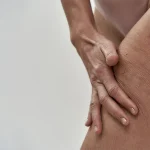

Understanding Lipoedema
Lipoedema is a chronic condition characterised by the abnormal build-up of fat tissue, primarily in the lower body. It affects women almost exclusively (up to 11% of women worldwide) and often leads to swollen calves, thighs, and sometimes arms. Unlike regular fat, lipoedema fat doesn’t respond to typical weight loss methods like diet and exercise, making it a frustrating experience for those affected.
What Causes Lipoedema Fat?
The exact cause of lipoedema is unknown, but it’s believed to be linked to female hormones and genetics. Many women with lipoedema have a family history of the condition. Hormonal changes like puberty, pregnancy, or menopause can trigger or worsen symptoms. Lipoedema involves an abnormal build-up of adipose tissue and excess fluid in the affected limbs, which can lead to tissue swelling and an increased risk of skin infections.
How Do I Know if I Have Lipoedema or Just Fat Legs?
Recognising lipoedema involves observing specific symptoms:
- Symmetrical swelling: Both legs are equally affected, from the hips down to the ankles, often stopping abruptly at the feet.
- Painful fatty tissue: The affected areas may feel tender, bruise easily, and feel painful to the touch.
- Minimal response to weight loss: Despite efforts to lose weight through diet and exercise, the lower body remains disproportionately larger.
- Swollen skin and tissue swelling: The skin may appear swollen and feel cooler than surrounding areas. This is particularly true if the lipoedema has progressed to the point where there is also lymphoedema
A clinical diagnosis by a medical professional is essential to distinguish lipoedema from other conditions like lymphoedema or obesity.
Real patients, real results


Differential Diagnosis: Lipoedema vs. Lymphoedema
It’s important to differentiate lipoedema from lymphoedema. While both conditions involve swelling, lymphoedema is caused by a compromised lymphatic system leading to fluid accumulation, whereas lipoedema is due to an abnormal accumulation of adipose tissue. In some cases, lipoedema can progress to lipo-lymphoedema, where both fat and lymphatic fluid build-up contribute to swelling.


Complications of Lipoedema
If left untreated, lipoedema can lead to several complications.
Mobility Issues:
The excess weight and pain in the lower limbs can hinder mobility and daily activities. Many patients try different methods to alleviate the aches and pains but with limited results.
Skin Infections:
The increased tissue swelling and swollen skin can lead to skin folds where bacteria can thrive, increasing the risk of infections like cellulitis.
Low Self-Esteem:
The physical changes, appearance and discomfort can significantly impact mental health and quality of life.
Our Treatment Approach
At Venus Medical, we offer a definitive solution to manage lipoedema effectively. We have many years’ experience performing liposuction and specifically ultrasound-assisted liposuction.
VASER Liposuction: Removing Abnormal Fat Cells
We utilise VASER (ultrasound-assisted liposuction) to gently remove a few litres of abnormal fat per procedure. This advanced technique targets the affected areas, such as thighs, calves, and sometimes arms, breaking down fat cells while preserving surrounding tissues like nerves and blood vessels. Unlike traditional liposuction, VASER is less invasive and results in smoother contours and less tissue trauma. It’s also particularly well suited to delicate areas like the calves.
Performed Under Local Anaesthesia
Your comfort and safety are our top priorities. The procedure is performed under local anaesthesia using tumescent liposuction techniques, minimising risks associated with general anaesthesia and allowing for a quicker recovery. You will receive relaxing tablets and some painkillers beforehand orally to ensure you are comfortable.
Experienced Surgeons
Our surgeons, Dr. Ahmad and Dr. Prendergast have nearly 20 years of experience and have treated hundreds of patients with lipoedema. Their expertise ensures high-quality care and successful outcomes.
Aftercare: Compression Therapy and Manual Lymphatic Drainage
Post-procedure care is crucial for optimal results. You’ll need to:
Wear compression garments:
Compression garments help reduce swelling, support healing, and improve circulation in the affected areas. We measure you pre-operatively and order them before surgery.
Attend manual lymphatic drainage sessions:
This specialised massage technique aids in removing excess fluid and promotes lymphatic drainage. Many experienced MLD therapists recommend a session prior to surgery too to prepare the lymphatics for healing and recovery.
Pressotherapy:
In some cases, intermittent pneumatic compression devices may be recommended to further enhance lymphatic flow and reduce swelling.
Engage in low-impact exercise:
Activities like walking or swimming can enhance recovery and improve overall health. We will advise on when it is safe to return to exercise and swimming.
By following this aftercare regimen, you help prevent the accumulation of excess fluid and support the lymphatic system’s function.
Benefits of VASER Treatment for Lipoedema
- Permanent removal of adipose tissue: By eliminating abnormal fat tissue, we help prevent the progression of lipoedema.
- Improved symptoms: Most patients report dramatic improvement in discomfort, pain, and psychological distress associated with the condition.
- Enhanced mobility: Reducing excess fat can alleviate pressure on joints and improve movement.
- Boosted self-esteem: Achieve a more proportionate body shape, enhancing your confidence and quality of life.
How do I get rid of lipoedema?
While there’s no cure for lipoedema, our VASER liposuction treatment offers a highly effective way to manage the condition. By permanently removing abnormal adipose tissue, we address the root cause of lipoedema symptoms. Combined with ongoing weight management, low-impact exercise, and wearing compression garments, you can maintain the results and improve your overall health. While non-surgical therapies like MLD, compression and bandages may alleviate symptoms temporarily, they do not remove fat cells, whereas VASER liposuction does remove the fat tissue.


Why Choose Venus Medical?
At Venus Medical, we combine expertise with compassionate care. Our surgeons have extensive experience treating lipoedema using VASER technology. Dr. Prendergast has also authored several book chapters on ultrasound-assisted liposuction, and has trained hundreds of surgeons around the world. We’ve been performing this procedure for nearly two decades, offering a safe and effective treatment option. We understand the significant impact lipoedema can have on your daily life, and we’re dedicated to helping you achieve relief from symptoms and improve your well-being.
Take the Next Step
Don’t let lipoedema control your life. If you’re ready to explore treatment options, contact Venus Medical in Dublin today. Our team is here to answer your questions and guide you through every step of the process. You can also submit a journey through the MeTime app. Just download the app through this link and take a video describing what you want in less than 30 seconds!
Book your Lipoedema Treatment consult with our experts at Venus Medical
Frequently asked questions
Lipoedema is not caused by obesity, although weight gain can exacerbate the symptoms. It’s a medical condition involving abnormal fat accumulation due to genetic and hormonal factors. Even women at a healthy weight can develop lipoedema.
Lipoedema has been classified as Stage 1,2,3 and stage 4. Stage 1 lipoedema involves increased, disproportionate fat but smooth skin. In stage 2 and 3 the skin becomes increasingly nodular and lumpy, with increasing symptoms of pain and discomfort. Stage 4 comprises lipo-lymphoedema where there is significant oedema or fluid accumulation, increasing the risk of infections and cellulitis. Most patients we treat have stage 1 and 2 lipoedema. Early intervention helps prevent progression and reduces symptoms early.
The exact cause is unknown, but it’s believed to be linked to female hormones and genetics. It typically affects women and often runs in families. Hormonal changes can trigger the onset of lipoedema.
If you notice disproportionate fat distribution in your lower body, pain, easy bruising, and your legs feel heavy or swollen, you may have lipoedema. A clinical diagnosis from a healthcare professional is necessary to confirm.
Yes, in some cases, untreated lipoedema can progress to lipo-lymphoedema, where the lymphatic system becomes compromised due to the excessive fat tissue, leading to additional swelling and fluid accumulation.
The cost of treating lipoedema with VASER liposuction depends on the areas treated, extent of the condition and how many procedures are required for a full treatment. For lipoedema of the lower limbs, we may recommend three procedures staged over a few months. For detailed pricing, please arrange a consultation or use the MeTime app to connect.

